
Sensory Connect & Occupational Therpay
Sensory Connect!!!
Occupational therapy (OT) stands at the forefront of enhancing the quality of life for individuals across diverse spectrums. In particular, it plays a pivotal role in addressing sensory processing challenges, fostering sensory connections, and integrating adaptive activities to promote independent living skills, social relationships, and learning.
Understanding Sensory Processing!!!
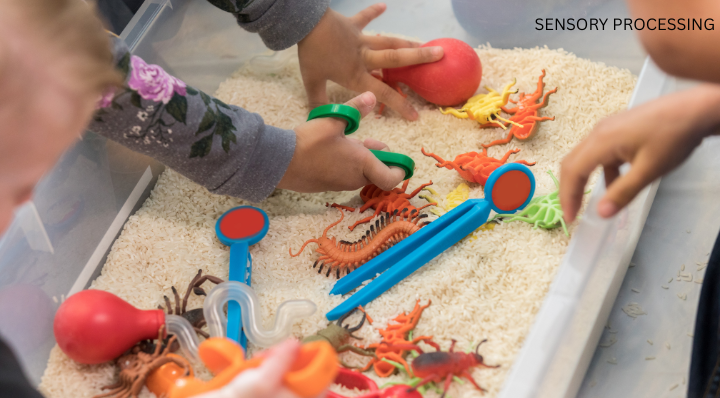
Sensory processing refers to how the nervous system receives, interprets, and responds to sensory stimuli from the environment. For some individuals, this process may be disrupted, leading to sensory processing disorders (SPD). Occupational therapists specialize in assessing and addressing these sensory challenges through tailored interventions.
Understanding Sensory Processing!!!
Sensory processing refers to how the nervous system receives, interprets, and responds to sensory stimuli from the environment. For some individuals, this process may be disrupted, leading to sensory processing disorders (SPD). Occupational therapists specialize in assessing and addressing these sensory challenges through tailored interventions.
The Role of Sensory Connection
Sensory connection is essential for individuals to engage meaningfully with their surroundings. Occupational therapists employ various techniques such as sensory integration therapy to help individuals regulate their responses to sensory input effectively. By fostering sensory connections, OT facilitates improved attention, emotional regulation, and overall well-being.
The Role of Sensory Connection
Sensory connection is essential for individuals to engage meaningfully with their surroundings. Occupational therapists employ various techniques such as sensory integration therapy to help individuals regulate their responses to sensory input effectively. By fostering sensory connections, OT facilitates improved attention, emotional regulation, and overall well-being.
Promoting Sensory Integration
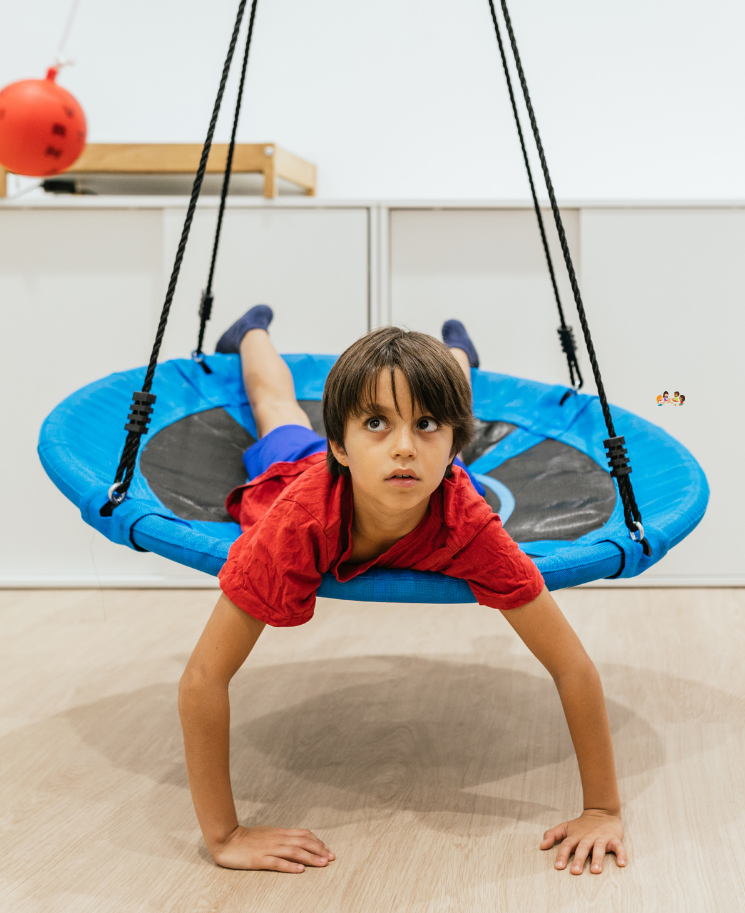
Sensory integration involves the brain’s ability to organize sensory information for optimal functioning. Through structured activities and interventions, occupational therapists facilitate sensory integration, enabling individuals to better navigate their environments. This process enhances coordination, motor skills, and cognitive abilities, laying a foundation for improved independence and participation in daily activities.
Promoting Sensory Integration
Sensory integration involves the brain’s ability to organize sensory information for optimal functioning. Through structured activities and interventions, occupational therapists facilitate sensory integration, enabling individuals to better navigate their environments. This process enhances coordination, motor skills, and cognitive abilities, laying a foundation for improved independence and participation in daily activities.
Empowering Through Adaptive Activities
Adaptive activities are tailored to meet the unique needs of individuals with physical, cognitive, or sensory impairments. Occupational therapists collaborate with clients to develop personalized strategies and tools that promote independence in activities of daily living (ADLs). These activities encompass a wide range, including self-care tasks, household chores, and community engagement, fostering self-confidence and autonomy.
Empowering Through Adaptive Activities
Adaptive activities are tailored to meet the unique needs of individuals with physical, cognitive, or sensory impairments. Occupational therapists collaborate with clients to develop personalized strategies and tools that promote independence in activities of daily living (ADLs). These activities encompass a wide range, including self-care tasks, household chores, and community engagement, fostering self-confidence and autonomy.
Building Independent Living Skills
Independence in daily living is a fundamental goal of occupational therapy. By honing essential skills such as self-care, time management, and organization, OT empowers individuals to lead fulfilling and autonomous lives. Through targeted interventions, individuals learn practical strategies to overcome challenges and navigate real-world situations with confidence.
Building Independent Living Skills
Independence in daily living is a fundamental goal of occupational therapy. By honing essential skills such as self-care, time management, and organization, OT empowers individuals to lead fulfilling and autonomous lives. Through targeted interventions, individuals learn practical strategies to overcome challenges and navigate real-world situations with confidence.
Nurturing Social Relationships
Social interaction plays a pivotal role in human development and well-being. Occupational therapists facilitate the development of social skills through group activities, peer interactions, and role-playing exercises. By addressing communication barriers and fostering empathy, OT promotes meaningful connections and enhances individuals’ ability to form and maintain relationships.
Nurturing Social Relationships
Social interaction plays a pivotal role in human development and well-being. Occupational therapists facilitate the development of social skills through group activities, peer interactions, and role-playing exercises. By addressing communication barriers and fostering empathy, OT promotes meaningful connections and enhances individuals’ ability to form and maintain relationships.
Enhancing Learning Through Occupational Therapy
Learning encompasses a broad spectrum of cognitive processes, including attention, memory, and problem-solving. Occupational therapists collaborate with educators and other professionals to create inclusive learning environments that accommodate diverse learning styles and sensory needs. By integrating sensory-based strategies and adaptive technologies, OT enhances learning outcomes and promotes academic success.
Enhancing Learning Through Occupational Therapy
Learning encompasses a broad spectrum of cognitive processes, including attention, memory, and problem-solving. Occupational therapists collaborate with educators and other professionals to create inclusive learning environments that accommodate diverse learning styles and sensory needs. By integrating sensory-based strategies and adaptive technologies, OT enhances learning outcomes and promotes academic success.
What are the benefits of occupational therapy?
Occupational therapy (OT) offers a wide range of benefits across various age groups and populations. Here are some key advantages of engaging in occupational therapy:

Promotes Independence
OT helps individuals develop the skills and confidence needed to carry out daily activities independently, enhancing their quality of life and sense of autonomy. Through specialized exercises and activities, OT improves motor coordination, strength, and dexterity, enabling individuals to engage in tasks such as writing, dressing, and eating with greater ease.

Enhances Motor Skills
Through specialized exercises and activities, OT improves motor coordination, strength, and dexterity, enabling individuals to engage in tasks such as writing, dressing, and eating with greater ease.

Addresses Sensory Processing Challenges
Occupational therapists utilize sensory integration techniques to help individuals regulate their responses to sensory stimuli, leading to improved attention, behavior, and emotional regulation.

Supports Mental Health and Well-being
OT interventions focus on promoting mental wellness by addressing challenges such as anxiety, depression, and stress. Therapeutic activities and coping strategies empower individuals to manage emotions and build resilience.

Facilitates Rehabilitation
Occupational therapy plays a crucial role in rehabilitation following injuries, surgeries, or medical conditions. Therapists work with individuals to regain strength, mobility, and function, facilitating their recovery and return to daily activities.

Improves Cognitive Function
OT interventions target cognitive skills such as memory, attention, and problem-solving, enhancing individuals' ability to participate actively in academic, vocational, and social pursuits.
Enhances Social Skills and Relationships
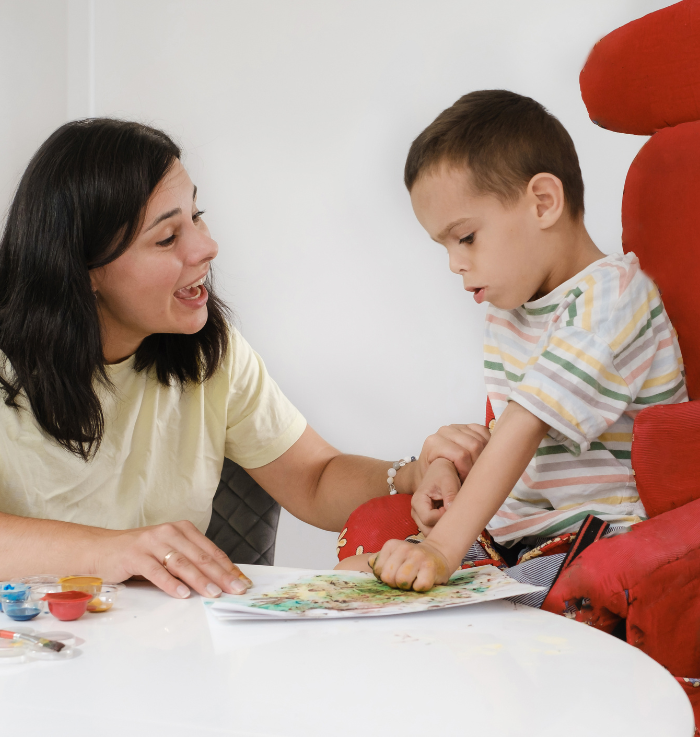
OT fosters the development of social skills through group activities, role-playing, and peer interactions. By improving communication, empathy, and social confidence, individuals build meaningful connections and relationships.

Promotes Inclusion and Participation
Occupational therapists advocate for inclusive environments that accommodate individuals with diverse abilities and needs. By removing barriers and providing accommodations, OT facilitates full participation in education, employment, and community life.

Supports Aging in Place
For older adults, OT helps maintain independence and functional abilities, enabling them to age in place safely and comfortably. Therapists assess home environments, recommend modifications, and provide assistive devices to support aging adults' independence and OT empowers individuals and families by providing education, resources, and support to overcome challenges and maximize potential.

Empowers Individuals and Families
OT empowers individuals and families by providing education, resources, and support to overcome challenges and maximize potential. Therapists collaborate closely with clients to set goals, develop personalized plans, and celebrate achievements, fostering a sense of empowerment and self-advocacy.

Occupational therapy serves as a beacon of hope for individuals facing sensory processing challenges, empowering them to lead fulfilling and meaningful lives. Through a holistic approach encompassing sensory integration, adaptive activities, and skill development, OT fosters independence, social connection, and lifelong learning. As advocates for inclusion and empowerment, occupational therapists continue to make profound impacts on the lives of individuals across the lifespan, championing the principles of dignity, equity, and opportunity for all.